
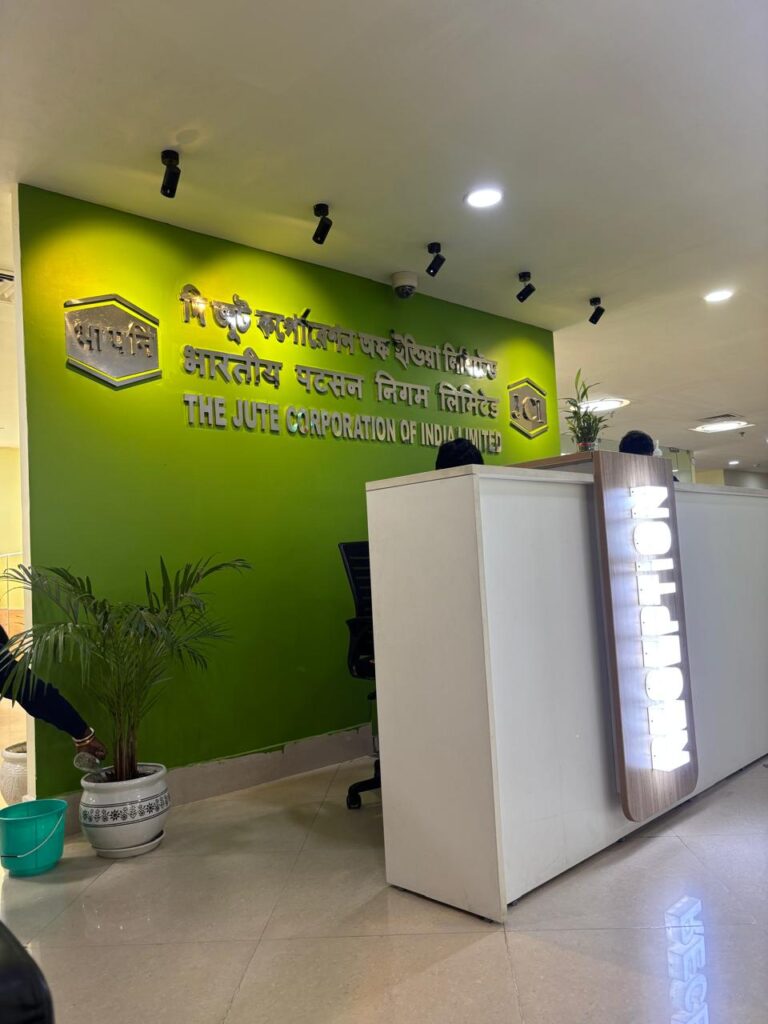
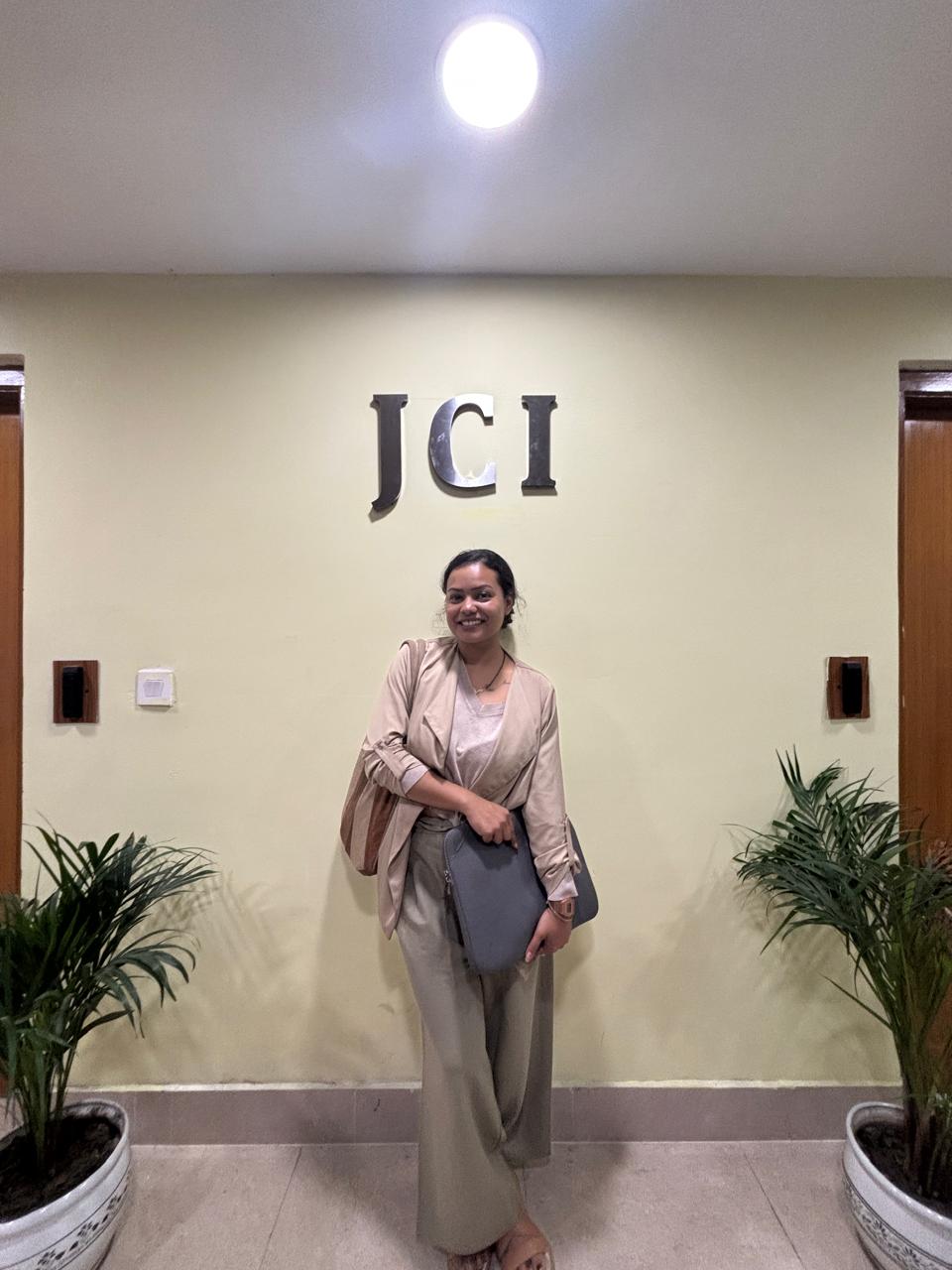
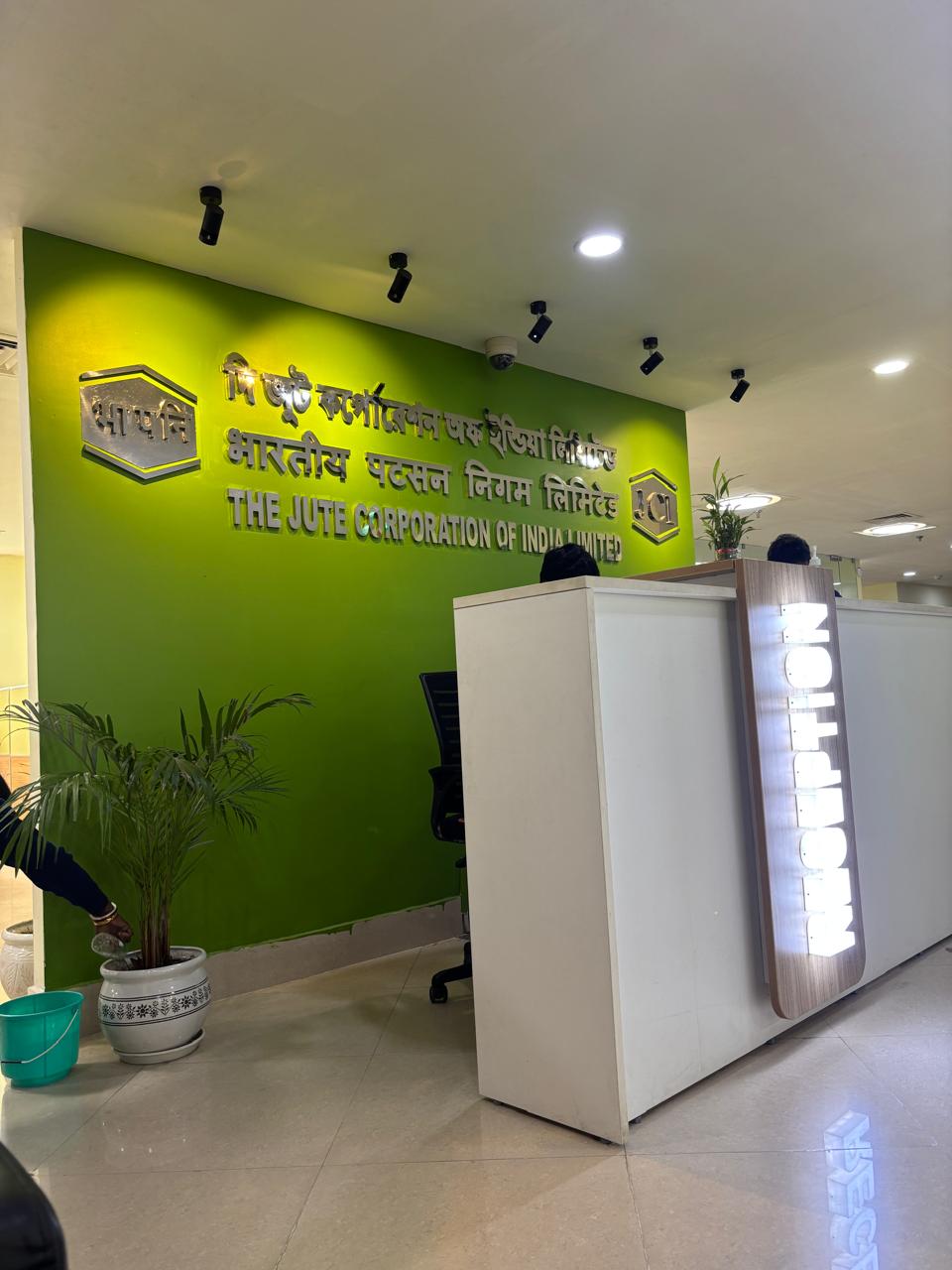
When we started working with tribal artisans in Purulia, our dream was simple: to prove that rural craft, jute and handmade paper are not “side stories” of development, but engines of real transformation. That same journey has now led us to a major milestone – our empanelment as an Outsourcing Agency (OSA) under the JCI ICARE Scheme 2026, a national-level initiative to support jute farmers with scientific cultivation and better incomes.
This is not just a tie-up on paper. It is recognition that the grassroots work we began in Purulia has matured into a credible, scalable rural development model.
How Our Work with Purulia Artisans Laid the Foundation
Our relationship with Purulia did not start with government schemes. It started with people.
- We entered villages first as listeners, not as trainers – understanding how artisans weave, stitch, paint, and how jute and other natural fibres already lived in their daily lives.
- Over time, we began co-creating products: jute-based handicrafts, tribal art–inspired gift items, and later, experiments with jute handmade paper that combined traditional skills with new markets.
- Each workshop, each prototype and each small buyer order built something important: trust. Villagers began to see us not as outsiders, but as partners willing to invest time, energy and risk with them.
This long-term presence did three things for us:
- It gave us authentic on-ground credibility – we could show that we already work with jute and tribal communities, not just on PowerPoint slides.
- It built a local leadership base – artisans, SHG women, youth volunteers who can now easily step into roles as field mobilisers, trainers and coordinators under bigger programs.
- It helped us understand the full jute value chain – from fibre in the field to craft products and premium paper in export markets.
When the JCI ICARE opportunity came, this experience became our strongest “qualification”. We were not applying as a pure consultancy; we were applying as an organisation rooted in the same villages that the scheme wants to uplift.
Why the JCI–ICARE MoU Is a Big Leap for Purulia
Under the ICARE scheme, Tribal Veda’s role is to help identify, support and handhold jute farmers through scientific cultivation, better inputs and improved retting practices. This will directly touch the lives of thousands of small and marginal farmers in jute-growing areas.
For Purulia and similar regions, this means:
- Better productivity and quality: Scientific sowing, certified seeds and retting technologies can increase yields and improve fibre grade. Higher-quality fibre means better prices for farmers.
- Regular extension support: Instead of occasional one-off camps, farmers get structured support – registrations, demonstrations, field visits, training and feedback.
- Reduced cost of cultivation: Mechanisation and better agronomic practices can reduce labour and input costs, directly improving net income.
- Formal linkages with national institutions: Farmers who were earlier outside formal systems now become part of a structured, monitored program tied to JCI and leading research institutes.
For us, this MoU is a bridge: it connects our artisan-focused work in Purulia with the wider universe of jute farmers, agronomy and national policy.
How This Partnership Will Transform Purulia in the Future
The immediate impact will be on jute farming practices and farmer incomes, but the long-term transformation can be much deeper if we plan deliberately.
1. From Jute Farmers to Jute Entrepreneurs
Once farmers experience better yields and realise that jute has stable demand plus eco-friendly branding, we can help them move from being raw material sellers to entrepreneurs:
- Encouraging farmer groups and FPOs around jute.
- Linking them to local processing, craft and paper units.
- Exploring village-level units for retting solutions, fibre sorting and basic value addition.
Over time, this can reduce migration pressure and create dignified rural employment.
2. Strengthening the Artisan–Farmer Value Chain
Our unique advantage is that we work both with artisans and now, through ICARE, with farmers. This creates a powerful circular ecosystem:
- Farmers gain from better crop economics and stable buyers.
- Artisans gain from reliable access to quality jute and related fibres.
- Tribal Veda acts as the value-chain integrator, connecting field production, craft, design, packaging and export.
This is how a district like Purulia can move from being seen as “backward” to being seen as a hub for eco-friendly jute innovation.
3. Building a Model District for Sustainable Jute
With consistent work over the next few years, Purulia can position itself as:
- A demonstration district for scientific jute cultivation and advanced retting methods.
- A centre for jute-based crafts and handmade paper, supplying to premium domestic and export markets.
- A case study in policy circles showing how a national scheme like ICARE, when combined with artisan development and local entrepreneurship, can transform an entire rural ecosystem.
Our blog, reports and documentation of field results will be crucial to tell this story to policymakers, investors and CSR partners.
The Road Ahead: Our Responsibility and Vision
This partnership with JCI is an opportunity, but also a responsibility.
- We must ensure that every farmer we register receives real, visible benefits in the form of knowledge, inputs and improved income.
- We must protect the dignity and voice of Purulia’s tribal communities, ensuring that they are not just beneficiaries, but co-creators of this new jute future.
- We must channel the visibility of this MoU into long-term investment – in training centres, small processing units, design collaborations and youth leadership.
What began with small meetings in artisan homes in Purulia has now reached the desks of national public sector leaders. The next chapter is about proving that a tribal district can lead India’s transition to sustainable, jute-based livelihoods and products.